
“I’ve been doing my Kegels every day. So why am I still leaking?”
This is one of the most common questions I hear as a pelvic floor specialist in Zurich.
If you’ve been faithfully doing your exercises but your symptoms haven’t improved, you’re not failing.
More likely, you’ve been given incomplete advice.
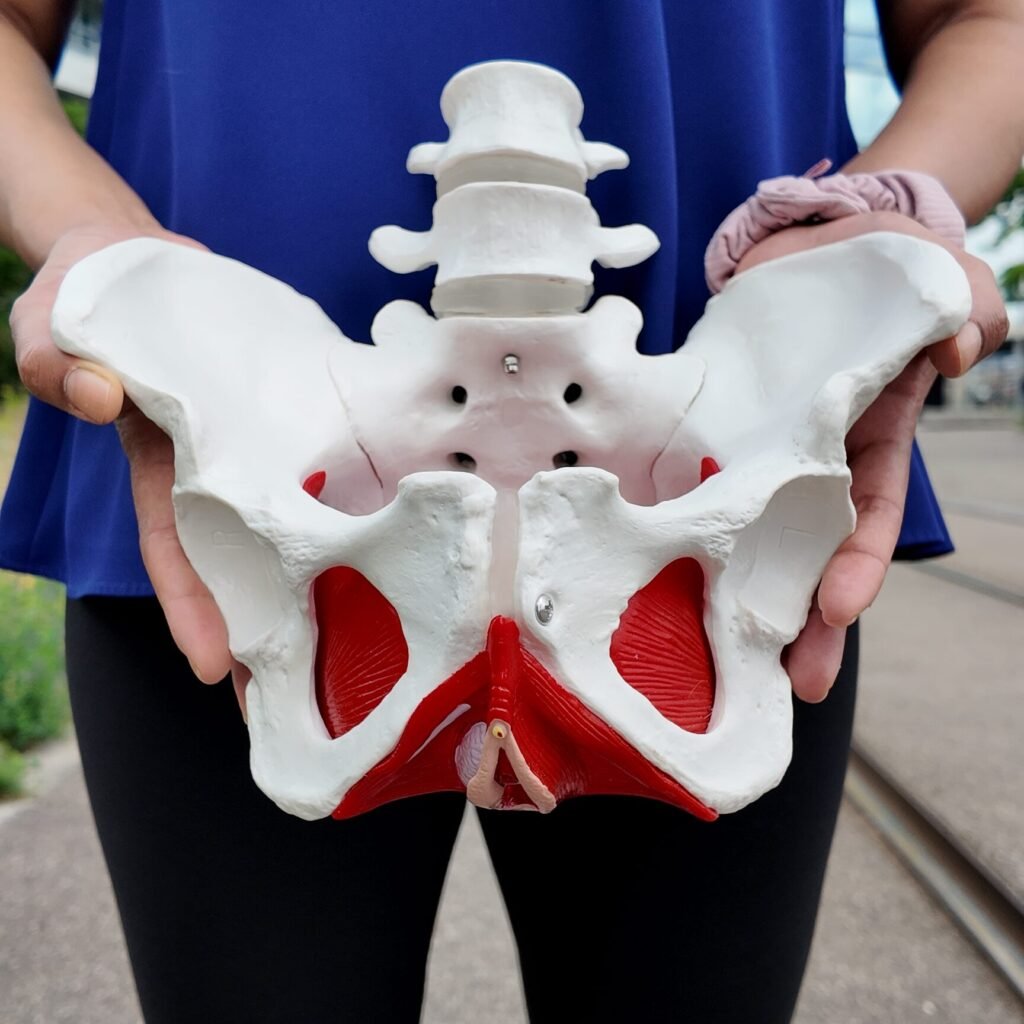
Leaking isn’t always caused by weakness
Urinary leakage is often blamed on weak pelvic floor muscles.
But that’s only one possible cause.
Leakage can also be influenced by:
poor coordination
excessive muscle tension
breathing mechanics
pressure management
movement patterns
constipation
high-impact exercise
previous birth injuries
That’s why doing more Kegels doesn’t automatically solve the problem.
Your pelvic floor is part of a team
Your pelvic floor doesn’t work in isolation.
It works together with:
your diaphragm
abdominal muscles
deep back muscles
hips
nervous system
If one part isn’t working efficiently, your pelvic floor often has to compensate.

Pressure matters
Think about what happens when you:
sneeze
cough
lift your toddler
jump
run
laugh
All of these increase pressure inside your abdomen (imagine its like a balloon getting larger in your abdominals – that would be high pressure!).
Your pelvic floor has to respond automatically.
If pressure isn’t managed well, leakage can occur, even if your muscles are strong.
Here are a few key team members for your pelvic floor:
Pressure
Think about what happens when you:
sneeze
cough
lift your toddler
jump
run
laugh
All of these increase pressure inside your abdomen (imagine its like a balloon getting larger in your abdominals – that would be high pressure!).
Your pelvic floor has to respond automatically.
If pressure isn’t managed well, leakage can occur, even if your muscles are strong.
Breathing changes everything
Your diaphragm and pelvic floor move together.
When breathing becomes shallow or breath-holding becomes a habit, your pelvic floor often loses its natural rhythm.
Improving breathing mechanics can significantly improve pelvic floor function.
Posture – it isn’t about standing perfectly
Good posture isn’t about sitting bolt upright all day.
It’s about allowing your body to move efficiently and distribute load well.
Small changes in movement strategy can reduce unnecessary strain on the pelvic floor.
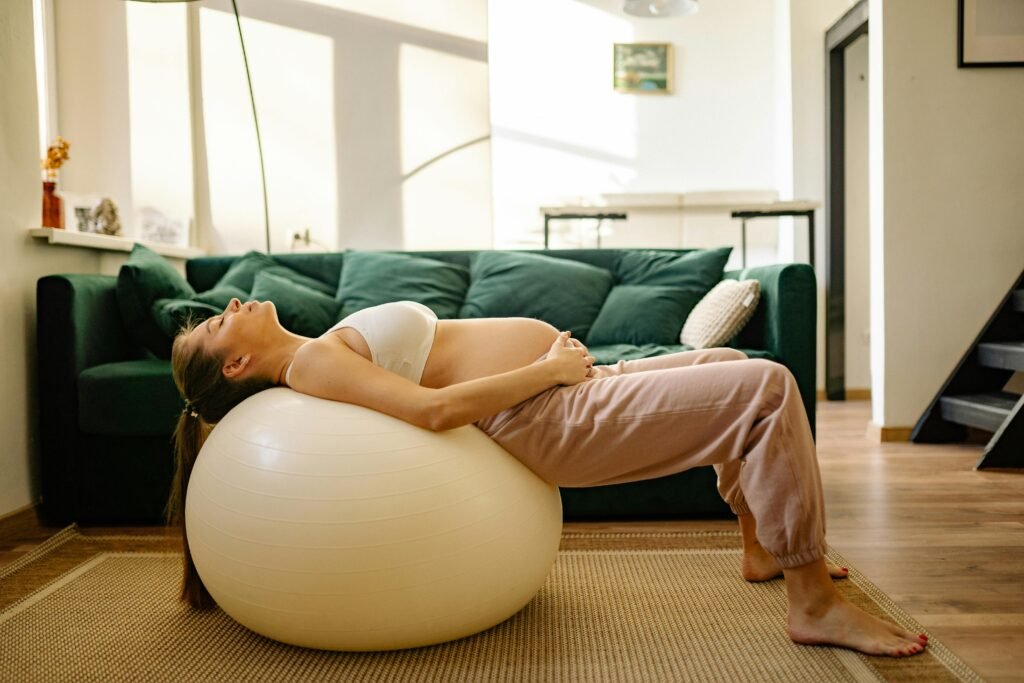
Kegels aren’t bad. They’re just not enough
Some women genuinely need strengthening.
Others need coordination.
Others need relaxation before strengthening.
Without assessment, it’s impossible to know which category you fall into.
So what happens during a pelvic floor assessment?
A comprehensive assessment looks at:
your symptoms
bladder habits
bowel function
breathing
movement
exercise
abdominal wall
pelvic floor muscle function
From there, treatment becomes specific to your body and isn’t just generic internet advice.
You deserve more than generic advice
Leaking isn’t something you should simply accept after having children.
Nor should you assume you’ve done something wrong because Kegels haven’t worked.
Often, your body simply needs a different approach.
Pelvic floor support in Zurich
Whether you’re leaking when you run, sneeze, jump or simply trying to keep up with everyday life, there are many treatment options beyond Kegels.
An individual assessment can identify why your symptoms are happening and create a personalised plan to help you return to exercise and daily life with confidence.