

If you’ve recently had a baby, chances are you’ve been told something along the lines of:
“Everything looks good. You’re cleared for exercise.”
For many women, that’s the end of their postpartum care.
But here’s the problem:
Being medically cleared isn’t the same as being functionally recovered.
As a pelvic floor physiotherapist in Zurich, I meet women every week who were told they were “fine” at six weeks postpartum…but months or even years later they’re still leaking urine, experiencing pelvic heaviness, having painful sex, struggling with abdominal separation, or feeling like their body simply doesn’t work the way it used to.
The six-week check is important.
It just isn’t designed to answer the questions most new mothers actually have.
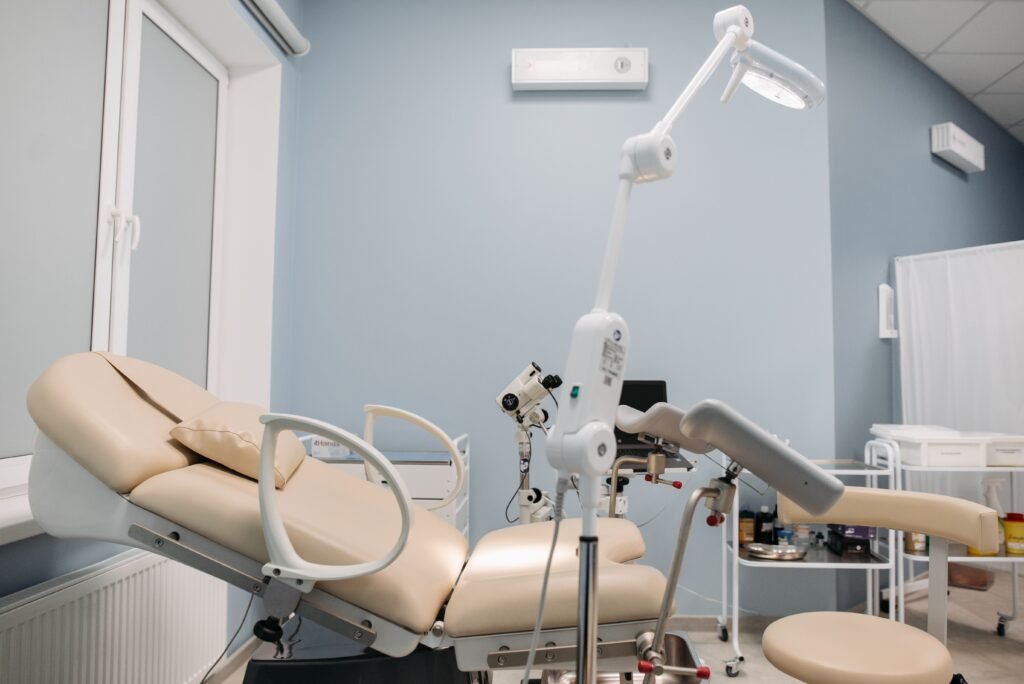
What happens at the standard 6-week postpartum check?
Your postpartum appointment with your doctor is primarily focused on making sure your body is healing medically.
Typically, they will assess:
whether any stitches have healed
whether your uterus has returned to its normal size
bleeding
signs of infection
contraception
general wellbeing
These are all incredibly important.
But there are many things that usually aren’t assessed.

What often isn’t assessed
Most postpartum appointments don’t include a detailed assessment of:
– pelvic floor muscle function
– pelvic floor coordination
– strength versus tension
– abdominal muscle function
– pressure management
– breathing mechanics
– return-to-exercise readiness
– lifting mechanics
– scar mobility
– prolapse symptoms
– bladder and bowel habits
These are the very things that influence how you move, exercise and feel every day.
Why so many women continue having symptoms
Many women assume symptoms are simply “part of being a mom.”
They’re not.
Common postpartum symptoms include:
– leaking urine
– urgency (always running to the toilet)
– heaviness or dragging in the vagina
– constipation
– painful intercourse
– lower back pain
– abdominal weakness
– difficulty returning to running
– fear of exercise
These symptoms are common.
They are not something you simply have to accept.
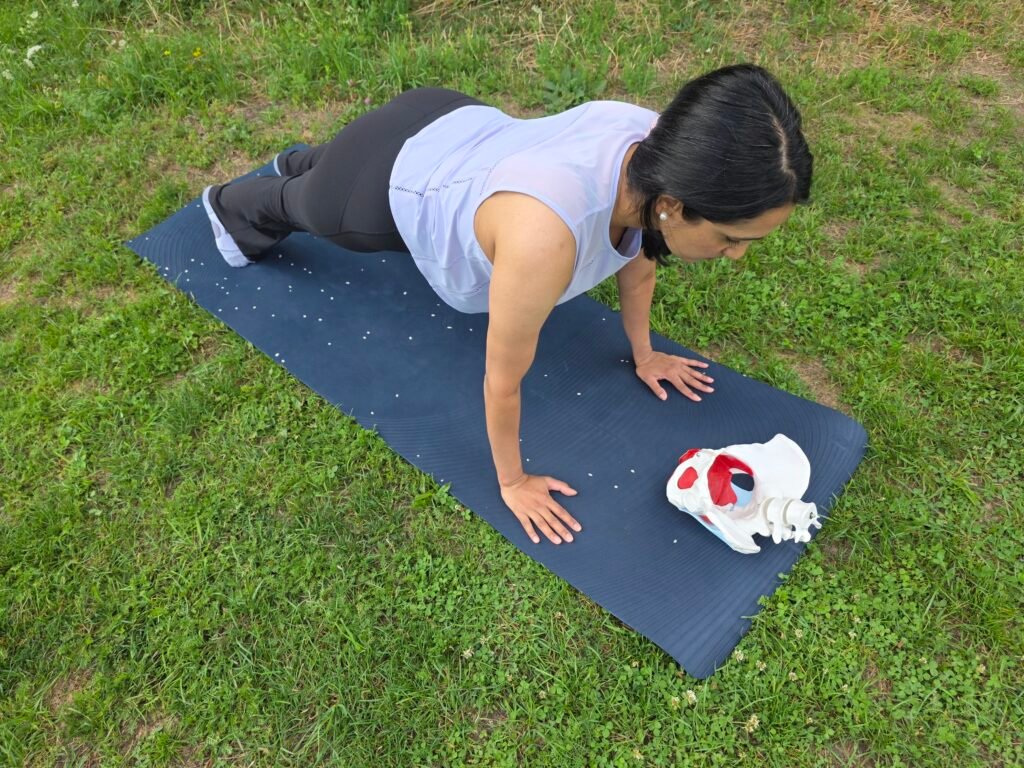
Recovery is about function. Not just healing.
Imagine spraining your ankle.
Your swelling settles after six weeks.
Would you immediately run a marathon without checking strength, balance and movement?
Probably not.
The pelvic floor deserves exactly the same respect.
Pregnancy and birth place enormous demands on your muscles, connective tissues and nervous system.
True recovery means rebuilding how your body functions.
What a pelvic floor assessment actually looks like
A comprehensive pelvic floor physiotherapy assessment looks at your whole body.
This may include:
– breathing
– posture
– movement patterns
– abdominal wall assessment
– diastasis recti assessment
– pelvic floor muscle examination
– scar assessment (C-section or perineal)
– bladder function
– bowel habits
– exercise goals
It’s never just about doing Kegels or getting an internal vaginal assessment. We need to look at the whole picture.
Every woman recovers differently
Some women need to strengthen.
Others actually need to relax an overactive pelvic floor.
Some need better pressure management.
Others need confidence to return to lifting or running.
There is no one-size-fits-all programme.
And you don’t have to wait until something gets worse
One of the biggest myths is that you should only seek pelvic floor physiotherapy if you have symptoms.
In reality, prevention is just as valuable.
An assessment can help identify issues before they become bigger problems and guide a safe return to exercise, work and everyday life.
Looking for postpartum pelvic floor support in Zurich?
Whether you’re six weeks postpartum, six months postpartum or several years after having your baby, it’s never too late to improve pelvic floor function.
Every assessment is individual because every birth and every body is different.
If you’re looking for postpartum recovery support in Zurich, I’d love to help you understand what your body needs, not just what the calendar says.